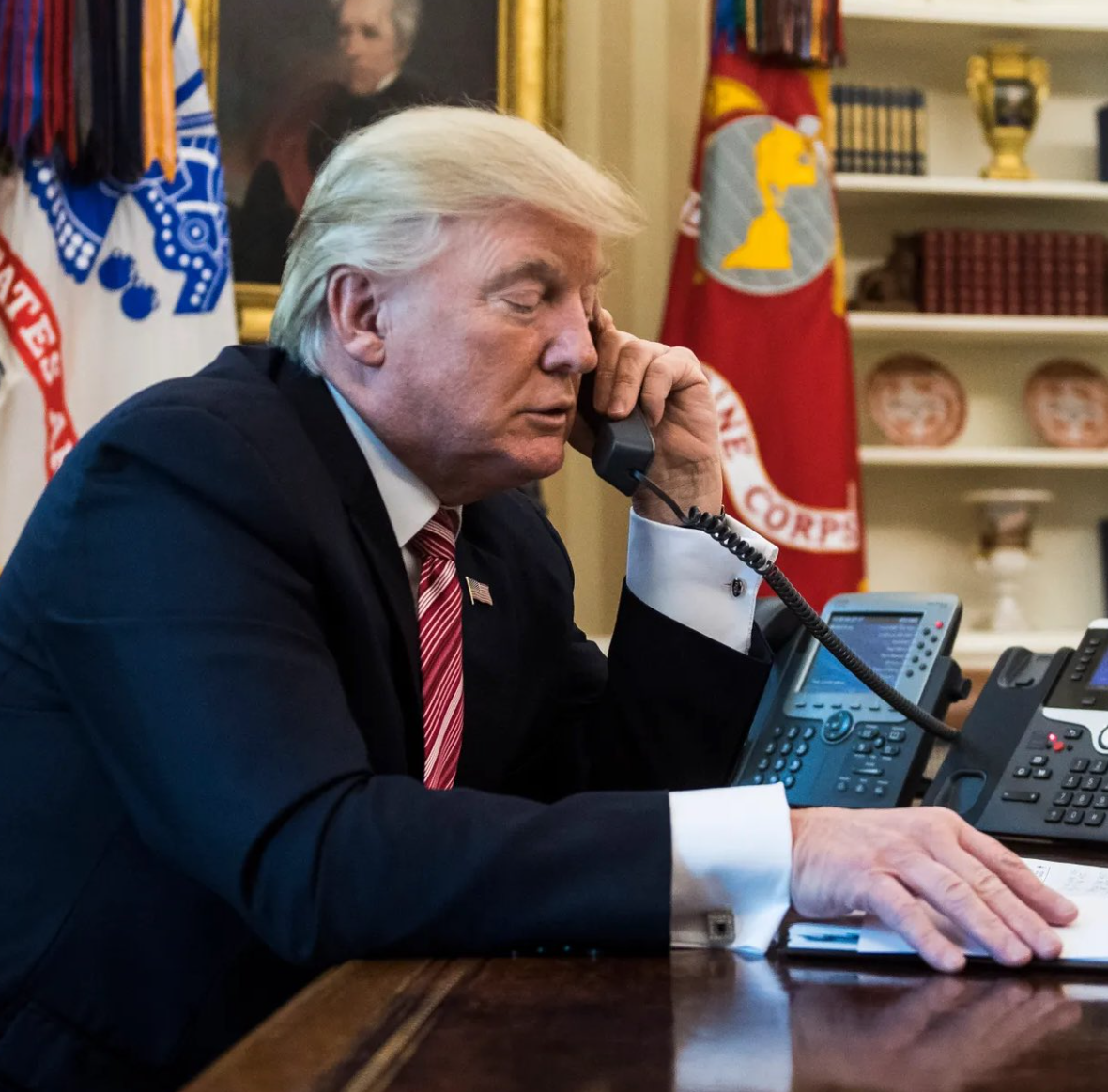
Trump announces a two-week US-Iran ceasefire where Iran reopens the Strait of Hormuz for safe passage, in exchange for the US pausing attacks and assisting with shipping traffic buildup.
In a dramatic and high-stakes development, former U.S. President Donald Trump has announced a temporary two-week ceasefire agreement between the United States and Iran, offering a pause in tensions that had been rapidly escalating toward a wider conflict. The agreement is centered around a critical global chokepoint—the Strait of Hormuz—and aims to restore stability in international trade and energy markets.
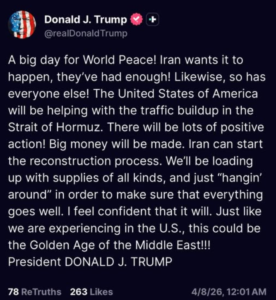
As part of the deal, Iran has agreed to reopen the Strait of Hormuz, one of the most strategically important waterways in the world. This narrow passage connects the Persian Gulf to the open ocean and serves as a vital route for global oil shipments. In recent weeks, rising hostilities had effectively shut down traffic through the strait, leaving dozens of oil tankers and cargo vessels stranded. The disruption triggered concerns across global markets, with energy prices rising and supply chains facing uncertainty.
In exchange for reopening the strait, the United States has agreed to pause all military strikes and offensive operations against Iranian targets for a period of two weeks. According to Trump, this temporary ceasefire is designed to reduce tensions and create an opportunity for further diplomatic discussions. He emphasized that the agreement prioritizes both global economic stability and the safety of international shipping routes.
A key component of the arrangement involves U.S. assistance in clearing the backlog of ships waiting to pass through the Strait of Hormuz. With a buildup of maritime traffic creating logistical challenges, American forces are expected to help coordinate safe navigation and ensure vessels can move efficiently through the corridor. This move is intended to quickly restore confidence among shipping companies and international markets that rely heavily on the uninterrupted flow of oil and goods.
The agreement reportedly came together at the last minute, just before a critical deadline that could have led to renewed military escalation. International pressure and behind-the-scenes diplomacy are believed to have played a significant role in bringing both sides to the table. While the ceasefire is temporary, it represents a crucial window to prevent further conflict and explore longer-term solutions.
However, the situation remains fragile. Both the United States and Iran have made it clear that the ceasefire is conditional. Any violations or breakdown in cooperation could quickly reignite tensions. For now, the focus remains on maintaining stability, ensuring safe passage through the Strait of Hormuz, and preventing further disruptions to the global economy.
As the world watches closely, this two-week pause could prove to be either a stepping stone toward broader peace—or just a brief break in an ongoing conflict.